Tattoos Significance: Meaning, Symbolism & Cultural Roots

Updated: Sep 20
Tattoos are more than images placed permanently on the skin. They can communicate identity, preserve memories, represent beliefs and mark significant personal changes. Understanding tattoos significance therefore requires more than recognising a popular symbol; it means examining the cultural background, emotional intention and personal story connected to the design.
Symbol | Primary Significance | Suggested Style |
Lion | Strength, courage and leadership | Realism or blackwork |
Wolf | Loyalty, instinct and protection | Realism or geometric |
Butterfly | Transformation, freedom and rebirth | Fine line or watercolour |
Moth | Resilience, intuition and personal growth | Blackwork or illustrative |
Snake | Renewal, wisdom and transformation | Traditional or blackwork |
Lotus | Purity, resilience and spiritual awakening | Fine line or ornamental |
Mandala | Balance, unity and inner reflection | Geometric or dotwork |
All-seeing eye | Awareness, intuition and truth | Blackwork or traditional |
Compass | Direction, guidance and purpose | Traditional or fine line |
Hourglass | Mortality, transition and the value of time | Realism or black and grey |
Semicolon | Hope, continuation and mental health awareness | Minimalist |
Roman numerals | Important dates and personal milestones | Fine line or script |
Across history, tattoos have served as signs of community, protection, status, spirituality and personal achievement. Modern tattooing continues many of these functions while also giving people greater freedom to create individual meanings. A design may have a widely recognised association, but its final significance always depends on the wearer’s experiences and intentions.

Historical and Cultural Roots of Tattoos Worldwide
Tattooing has existed in different forms for thousands of years across Africa, Asia, Europe, the Pacific and the Americas. Historical tattoos were used for identification, protection, healing, ceremony, punishment, status and decoration. Because these practices developed within separate societies, there is no single origin or universal explanation for why humans began tattooing their bodies.
The meaning of a traditional tattoo was often shaped by more than its appearance. The person applying it, the technique used, its position on the body and the ceremony surrounding it could all contribute to its importance. A pattern that appears purely decorative today may originally have represented ancestry, responsibility or membership within a particular community.
Identity and Tribal Affiliation
In many cultures, tattoos served as visible records of identity. They could communicate family lineage, social position, regional belonging or achievements recognised by the wider community. These tattoos were not always selected according to individual preference because their designs could be connected to inherited customs and collective responsibilities.
Polynesian tattooing includes several distinct traditions rather than one general tribal style. Māori tā moko, Samoan tatau and other Pacific practices have their own visual languages and cultural rules. Tā moko, for example, can express genealogy, identity and status, making it far more meaningful than a decorative arrangement of curved lines.
Protection and Talismans
Protective tattooing appeared in cultures that believed certain markings could guard the body, strengthen the wearer or offer spiritual reassurance. These tattoos were sometimes associated with travel, childbirth, warfare, hunting, illness or protection from harmful forces. Sacred images and symbolic patterns allowed protective beliefs to remain permanently connected to the body.
Ancient Egyptian tattooed remains have sometimes been interpreted as evidence of religious, protective or healing practices, although the precise meanings remain uncertain. Protective tattoos are still popular today through imagery such as evil eyes, guardian animals and religious symbols, but their modern value may come from faith, cultural connection or the confidence they give the wearer.
Marks of Honour and Rites of Passage
Tattoos have often marked important transitions, including coming of age, marriage, parenthood, military service or spiritual initiation. Receiving the tattoo could show that a person had completed a recognised challenge and entered a new social role. The permanent image became evidence of an experience that could not easily be forgotten or reversed.
In some traditions, enduring the tattooing process was itself part of the rite. Pain, patience and ceremonial discipline could demonstrate courage or readiness for greater responsibility. Warrior markings and achievement tattoos may therefore have represented more than physical strength; they could also reflect service, maturity and commitment to the community.
Preserving Heritage and Ancestral Roots
For many people, culturally rooted tattoos provide a way to reconnect with ancestry. Traditional tattoo revivals can restore practices that were weakened by colonisation, religious pressure or forced assimilation. Receiving a culturally appropriate design may therefore represent survival, belonging and respect for previous generations.
This connection requires careful research because some motifs are linked to genealogy, status, gender or ceremonial authority. Copying a sacred design only because it looks attractive can remove it from the tradition that gives it meaning. Respectful tattooing involves understanding the source, consulting knowledgeable practitioners and distinguishing inspiration from direct cultural appropriation.
Modern Psychology: Why People Get Tattoos
Modern tattoo decisions are influenced by memory, identity, aesthetics, social relationships and personal values. Some people want to document an important event, while others use tattooing to change how they experience their bodies. Several motivations can exist within one design, and the meaning may develop as the wearer moves through different stages of life.
A tattoo does not need to represent tragedy or a major achievement to be psychologically meaningful. Choosing body art because it creates confidence, beauty or a stronger sense of individuality is also valid. Personal significance is defined by the wearer rather than by how dramatic the explanation appears to other people.
Personal Storytelling and Self-Expression
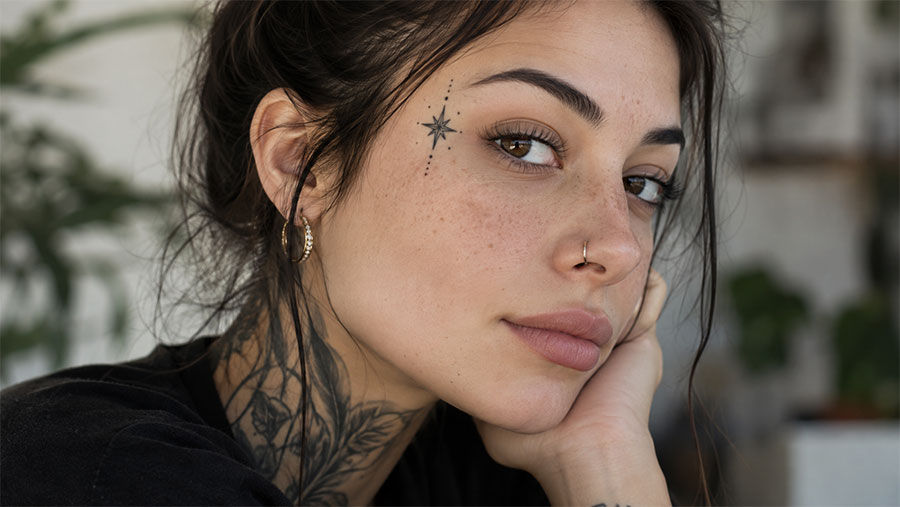
Tattoos can turn the body into a visual record of personal history. Portraits, dates, flowers, landscapes and abstract shapes may represent relationships, accomplishments or periods of transformation. Unlike photographs stored privately, tattoos become part of the wearer’s daily appearance and public identity.
Some stories are immediately understandable, while others remain deliberately private. A small symbol may carry a memory known only to the wearer, allowing the tattoo to feel deeply personal without requiring a public explanation. Placement and artistic style can also determine whether that story is displayed openly or kept intimate.
Reclamation, Healing and Closure
Some people use tattoos to reclaim areas of the body associated with scars, surgery, trauma or insecurity. A carefully designed tattoo can transform an unwanted mark into something chosen and visually meaningful. It does not remove the original experience, but it may help the wearer develop a different relationship with that part of the body.
Memorial tattoos can also support grief and emotional closure. Portraits, handwriting, dates and symbolic objects allow a connection with a lost person to remain physically present. These tattoos do not follow a single psychological process, but many wearers describe them as reminders of love, survival or continuing emotional bonds.
Autonomy and Body Ownership
Tattooing allows individuals to make permanent decisions about how their bodies are presented. For people who have experienced strict expectations, illness or unwanted physical changes, choosing a tattoo may restore a sense of agency. The design becomes evidence that the body belongs to the person living within it.
Body ownership can also be expressed through tattoos that challenge conventional beauty standards. Large blackwork pieces, visible hand tattoos or unusual placements may help someone reject the idea that their appearance must remain neutral or socially acceptable. The psychological meaning may come from choosing authenticity over approval.

The Symbolic Meaning of Popular Tattoo Motifs
Popular tattoo symbols develop meanings through mythology, religion, art and modern culture. However, these associations should be treated as starting points rather than fixed definitions. Two people can wear the same image for completely different reasons, and neither interpretation must be considered incorrect.
Meaning can also change through composition. A lion combined with flowers may communicate protective strength, while a lion beside a crown may suggest leadership or authority. Colour, facial expression, direction and surrounding elements can all modify how a familiar symbol is understood.
Nature and Animal Symbolism
Lions commonly represent courage, leadership and protection, while wolves are associated with loyalty, instinct and family bonds. A lone wolf may symbolise independence, but a group of wolves can emphasise community and cooperation. The pose also matters, as an aggressive animal creates a different message from one shown resting or watching.
Butterflies and moths are strongly linked to transformation because of their life cycles. Butterflies often represent freedom, rebirth and visible change, whereas moths may suggest resilience, intuition or movement towards light during difficult periods. Snakes can represent healing, wisdom and renewal because they shed their skin, although they may also communicate danger or duality.
Spiritual and Geometric Symbols
Mandalas commonly represent balance, unity and the relationship between the inner self and the wider world. Their repeated patterns create a sense of order, making them popular for people who associate tattooing with meditation or emotional stability. Lotus flowers similarly represent growth because they emerge from muddy water while remaining visually clean.
The all-seeing eye may symbolise awareness, truth or spiritual observation, while the evil eye is generally connected to protection from harmful attention. Compasses represent direction and personal guidance, whereas hourglasses highlight mortality and the limited nature of time. Combining these images can create a broader narrative about purpose, destiny and conscious living.
Minimalist and Text Symbolism
The semicolon has become associated with mental health awareness, hope and the decision to continue one’s story. Its meaning comes from grammar, where a writer could end a sentence but chooses to continue it. Because the symbol is small and recognisable, it is often selected for discreet placements such as the wrist, finger or ankle.
Meaningful roman tattoo numerals are commonly used to preserve significant dates, while scripts and handwritten phrases may represent personal beliefs or emotional bonds. The meaning of text tattoos depends heavily on wording, typeface and accuracy. Names, dates and foreign-language phrases should always be checked carefully before being permanently tattooed.
How Tattoo Style Influences Meaning
The same subject can communicate a completely different emotion depending on how it is tattooed. A realistic wolf may appear powerful and lifelike, while a fine-line version can feel quiet and personal. Style determines not only how the tattoo looks but also how directly, dramatically or subtly its meaning is expressed.
Choosing a style should therefore be part of the symbolic process rather than a final decorative decision. Line weight, colour, shading and scale affect the mood of the design and how it interacts with the body. The most successful tattoos connect subject, symbolism and technique within one consistent composition.
Tattoo Style | Emotional Meaning | Design Focus | Best For |
Blackwork & Heavy Black | Boldness, mystery, permanence, power | Dense black, strong contrast and defined shapes | Large designs, protection, transformation, cover-ups |
Fine Line & Minimalist | Intimacy, subtlety, personal meaning | Delicate lines, limited shading and simple details | Flowers, dates, words, small animals |
Realism & Portrait | Memory, connection and emotional presence | Photographic detail, realistic shading and recognisable features | People, pets, memorial tattoos |
Watercolour & Abstract | Creativity, freedom, emotion and movement | Colour transitions, splashes, irregular shapes | Butterflies, flowers, birds and expressive designs |
Blackwork and Heavy Black
Blackwork uses dense black ink, strong contrast and clearly defined shapes. It can communicate boldness, mystery, permanence and raw power, particularly when used across large areas of the body. Heavy black sections may also create a feeling of visual finality that suits themes involving protection, transformation or personal boundaries.
The style can range from solid geometric patterns to detailed illustrative work. Blackwork is also used in cover-ups because its density can conceal older tattoos, although effective coverage requires careful planning. When chosen intentionally, it creates an appearance that is direct, dramatic and difficult to ignore.
Fine Line and Minimalist
Fine-line tattoos use delicate outlines, limited shading and controlled detail. Their quiet appearance makes them suitable for symbols that carry intimate or private meanings. Small flowers, dates, handwritten words and simple animals can feel highly personal without dominating the surrounding area.
Minimalism does not mean a tattoo lacks emotional depth. Removing unnecessary detail can place greater attention on the central idea, making a small symbol feel deliberate and clear. Fine lines require appropriate placement and aftercare because extremely delicate details may soften as the tattoo naturally ages.
Realism and Portrait Tattoos
Realism aims to reproduce faces, animals or objects with photographic detail. Portrait tattoos are often selected to honour relatives, public figures or beloved pets because they preserve recognisable features. The style can create a strong emotional response by presenting the subject as an immediate visual presence.
Realistic tattoos depend heavily on technical skill, reference quality and suitable scale. A portrait that is made too small may lose important details as it heals and ages. Black and grey realism often creates a timeless memorial quality, while colour realism can emphasise personality and visual energy.
Watercolour and Abstract Tattoos
Watercolour tattoos use colour transitions, splashes and irregular edges to imitate painted artwork. The style can represent creativity, emotional freedom and movement because it avoids the rigid boundaries associated with traditional tattooing. It works particularly well for butterflies, flowers, birds and expressive natural imagery.
Abstract designs communicate through shape, movement and visual atmosphere rather than literal representation. Their meaning may remain intentionally open, allowing the wearer to connect with the emotion of the design instead of one obvious symbol. Strong technical structure is still important because unplanned abstraction can age poorly or appear unfinished.

Translating Personal Meaning into Custom Art at Creato Tattoo
A familiar symbol becomes more personal when its details are connected to the wearer’s own experiences. Changing an animal’s pose, combining several images or incorporating meaningful dates can turn a generic reference into an original visual narrative. Placement and body flow should also be considered so the tattoo feels designed for the individual rather than copied onto the skin.
Creato Tattoo is a custom tattoo studio in Liverpool where clients can discuss their tattoo ideas, preferred styles and personal meanings with experienced artists. Through consultation and collaborative design, the studio can transform an initial concept into tailored body art that reflects both the wearer’s story and the artist’s creative expertise.
Conclusion
The enduring importance of tattooing comes from its ability to combine art, identity and memory in one permanent form. Throughout history, tattoos have represented heritage, protection, achievement and social belonging. Today, they can also communicate healing, individuality, body ownership and personal transformation.
Understanding tattoos significance before choosing a design helps create body art that remains meaningful beyond temporary trends. Researching cultural origins, reflecting on personal intentions and working with a skilled tattoo artist can ensure the finished piece respects its influences while expressing a story that genuinely belongs to the wearer.


Comments